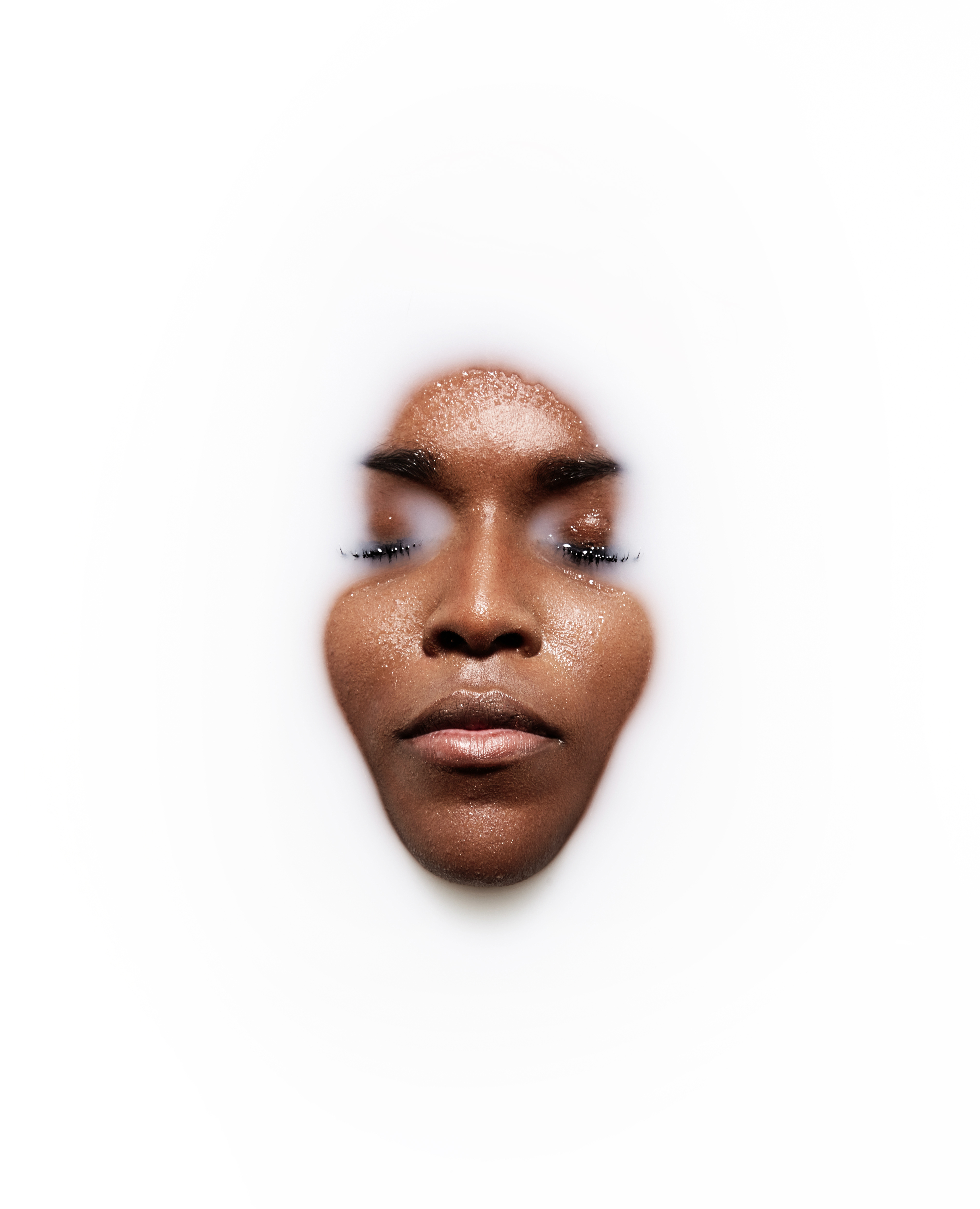
What Does Your Body Say About You? 🤫 The Power of Non-Verbal Cues!
Ever feel like someone's words don't quite match their actions? That's the fascinating world of body language at play! As Chayan Jain (2016) points out, our bodies convey "a thousand hidden meanings" – often more powerfully than anything we say. Understanding these non-verbal signals is key to truly connecting with others and discerning their true thoughts and feelings.
Your body is like an instrument. When you "play" it well, you can build stronger connections and understand people better. Just like a book's cover shapes how we perceive it, our body language shapes our "social image" (Jain, 2016).
What to Look For: Key Body Language Cues
Jain (2016) highlights some important areas:
- Facial Expressions: Our faces are incredibly expressive!
- Wide eyes can mean astonishment.
- Pinkish tone might signal shyness or blushing.
- Avoiding eye contact can mean shyness or disengagement.
- A genuine broad smile shows true amusement; a stretched "ear-to-ear" smile can be artificial.
- Leg & Foot Positions: How you stand or sit with your legs also speaks volumes.
- A slow, dejected walk can show tension.
- Rapid walking with swinging arms suggests a goal-focused personality.
- Crossed legs in a formal setting might seem dominating.
- Swaying legs can indicate boredom or impatience.
- Hand Movements & Positions: Our hands are always communicating!
- Hands in pockets might suggest secretiveness.
- Open palms express a willingness to accept.
- Crossed arms can hide information, signal anger, or simply be protective.
- Rubbing hands together could mean restlessness or nervousness.
- Other Key Gestures: Many smaller actions also give clues.
- An unbuttoned coat can invite interaction; a buttoned coat acts as a barrier.
- Clearing your throat often signals anxiety.
- Looking at your watch repeatedly can show impatience or a lack of respect.
Important Tip: Read in Clusters!
Always interpret gestures in groups, not just one by one (Jain, 2016). And always consider the situation and context of the person you're observing. Avoid jumping to conclusions.
Want to Improve Your Own Body Language?
Jain (2016) offers some valuable advice:
- Be Purposeful: Make sure your gestures align with what you're saying.
- Be Genuine: Don't try to imitate others; let your natural self shine through.
- Boost Confidence: Practice until you feel comfortable and secure.
- Master Eye Contact: It builds connection and shows sincerity. Aim for 5-10 second contacts in group settings.
- Mind Your Posture: Stand tall but relaxed.
- Control Facial Expressions: Aim for a polite, friendly demeanour.
By understanding and consciously using body language, you can truly enhance your communication and connect better with everyone around you! Give it a try!
Reference:
Jain, C. (2016). What Does Your Body Say About You? The IUP Journal of Soft Skills, 10(1), 36–42


.svg)



.webp)


